For more than a century, Child Saving Institute (CSI) has worked to recognize and respond to the needs of all children and families—including marginalized and vulnerable groups. From the organization’s early days in the late 1890’s with an orphanage and support for single mothers to the development of innovative family-centered programs, CSI’s history reflects a pattern of seeing emerging needs and building systems of support around them—meeting children and families where they’re at. One powerful example of this legacy is the Black Homes for Black Children program, launched in 1984.
The 1970s and early 1980s saw a critical need to find permanent, loving homes for African American children of all ages. Former CSI CEO Donna Tubach-Davis was passionate about addressing these disparities within the child welfare system. Before specialized programs existed, she advocated for more equitable access to adoption and worked to elevate conversations about the systemic barriers facing Black children seeking placement.
“We wanted to find more potential homes. There were so many more children in need of homes than there were homes available,” Tubach-Davis said in a 2012 interview. “And the truth was, African Americans were adopting more frequently than Caucasians, but the process was more informal within their communities.”
Tubach-Davis led extensive grassroots outreach across Omaha communities. She partnered with caseworkers, African American churches and African American community organizations. This partnership helped illuminate the need for a culturally grounded program that honored African American families and connected children with adoptive parents who shared their heritage. The Black Homes for Black Children program grew directly from these community-centered collaborations.
As the program flourished and children in need found homes, CSI hosted a series of fundraisers for Black Homes for Black Children. These programs would include world-famous African American leaders such as Dr. Alvin Poussaint and Dr. Jawanza Kunjufu. Fundraising efforts also included celebrity auctions with donated items from Oprah Winfrey, Michael Jordan and Whoopi Goldberg which furthered visibility and support.
By the early 1990s, after recruiting 300 Black adoptive families and placing more than 100 Black and biracial children in permanent homes, the need for the program decreased. Changes in federal law, including the Multiethnic Placement Act, reshaped adoption practices and patterns nationwide. In 1992, the Black Homes for Black Children program concluded—having made a lasting impact and having served as a model for culturally responsive family services.
While the program itself ended, its values remain deeply woven into CSI’s work today. The commitment that guided Black Homes for Black Children—meeting families where they are, honoring culture and identity and ensuring every child has the opportunity to thrive—continues to shape our programs and services. CSI remains dedicated to strengthening families, uplifting communities and empowering children with the support they need, when they need it.
This is a time to reflect on, honor and celebrate the remarkable achievements, cultural contributions, and ongoing pursuit of equity within the African American community—while recognizing both the progress that has been made and the work that continues today.
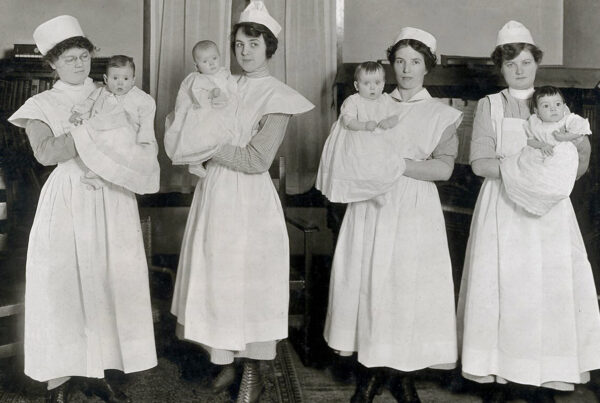
Her story, our story: Celebrating the women of CSI
March is Women’s History Month. This is a time to honor the women whose strength, resilience and leadership have shaped our communities. For generations, women’s contributions have too often gone unrecognized or undervalued. Yet their impact—socially, economically and historically—remains undeniable. Women’s History Month invites us to reflect on how far we’ve come and to envision a future of continued progress and equity. …
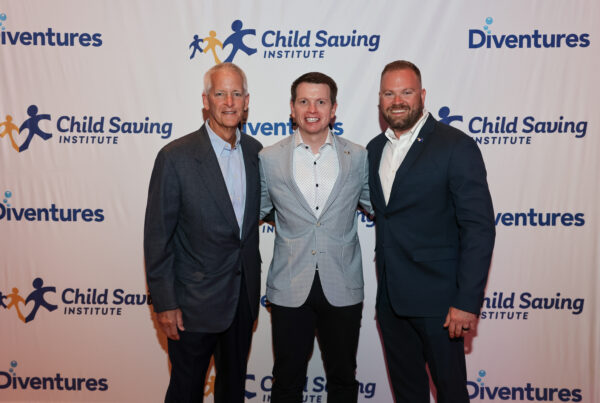
Where giggles & goggles unite: CSI and Diventures partner to keep kids safe
Since 2018, Diventures has been a steadfast supporter of Child Saving Institute (CSI) and the organization’s largest annual fundraising event, Cabaret. But the partnership goes beyond fundraising and goes further back than 2018. This collaboration is rooted in a shared belief that communities thrive when children are safe, supported and given every opportunity to grow. …
Child Saving Institute (CSI) has provided life changing services to children and families for over 130 years and with our recent merger with Children’s Square in Council Bluffs, we have a combined 275 years of supporting kids and families across Nebraska and Southwest Iowa. The impacts of these programs can…


 Her story, our story: Celebrating the women of CSI
 Where giggles & goggles unite: CSI and Diventures partner to keep kids safe
 A full circle moment